
There is such a thing as Attachment Theory. This psychology was founded back in the 50’s. It defines and describes how we, as a child, become attached to our caregiver.
Since most of our earliest caregivers are our parents, let’s use that model to see how it affects us.
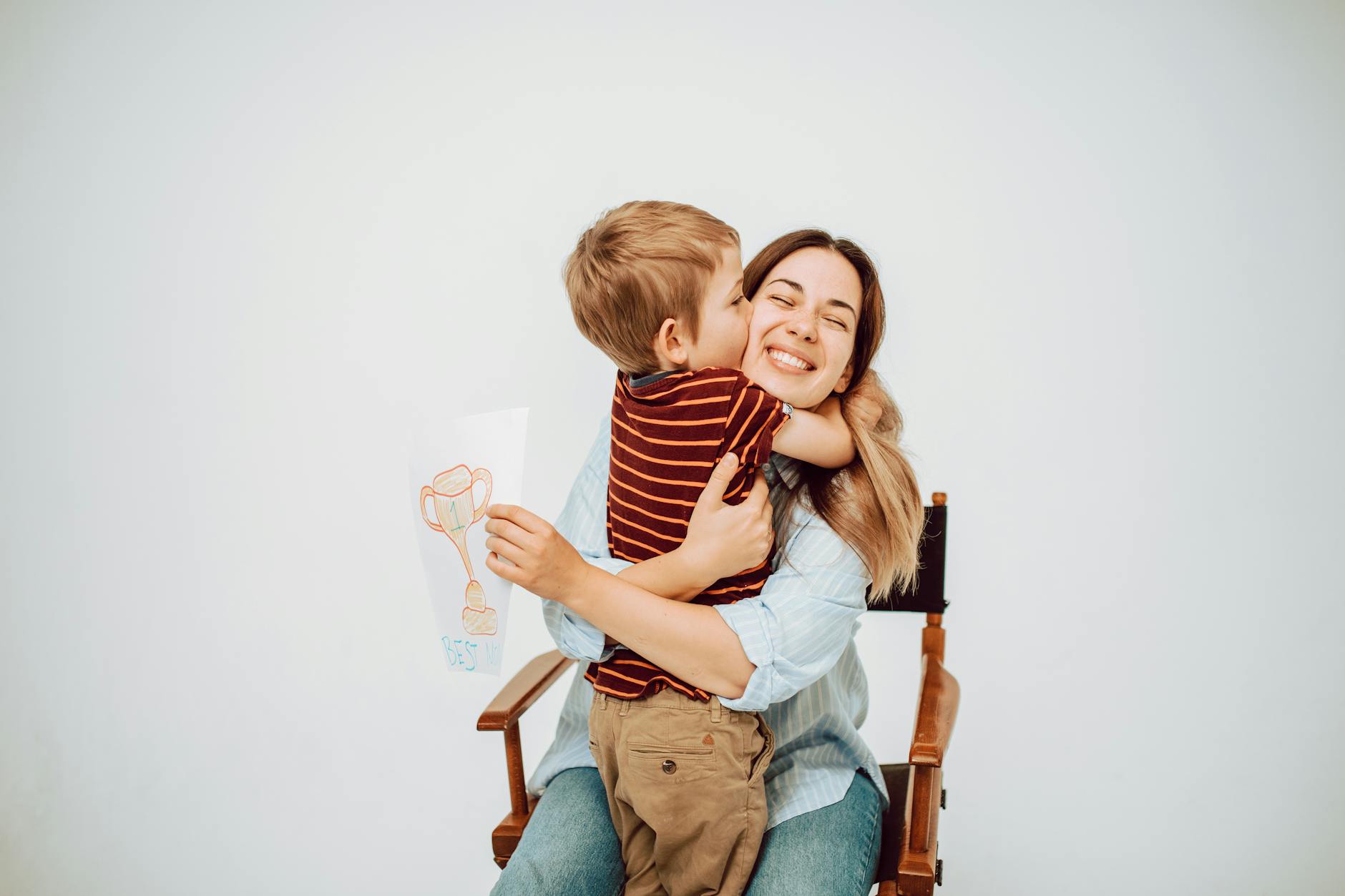
There is a certain form of attachment called: ANXIOUS ATTACHMENT, it stems from the ways our parent caregiver did not maintain or provide the kind of care that built a foundation of TRUST in that relationship.
And of course, you guessed it- this spills into our adult experience. It shows up in how we perceive ourselves and then on how it plays out with our significant others.
On the flipside, when the child experiences a warm, nurturing and consistent environment, the attachment form is called a SECURE ATTACHMENT.
Parents generate anxious attachment in a child when their care is:
- inconsistent
- not aligned with the need at hand
- are not expressive with their children
- act ambivalent and unsure of the attention they give

How does this then affect adult relationships?
What happens with our significant other?
The one experiencing ANXIOUS ATTACHMENT can be-
- clingy
- insucure
- argumentitive
- attention-seeking
- jealous
And this is how if FEELS–
-lesser than others,
-unsure of self-worth,
-self-blame for not getting the love deserved.
Dealing with it can be a whole new journey. It’s not always easy to move through a childhood pattern. Suggestions are:
- Be very self-aware and honest that this is a pattern.
- Begin slowly to incorporate this new awareness.
- Feel gratitude whenever possible that this new enlightenment is near.
- Begin methods to re-train thoughts and emotions.
- Consult with a professional to get the guidance and support necessary.
 The Christine Report